



 Byadmin

Can I Get a Free Child Support Lawyer If I’m Low Income? (Yes — Here’s How)
Share your love
Let me be real with you for a second.
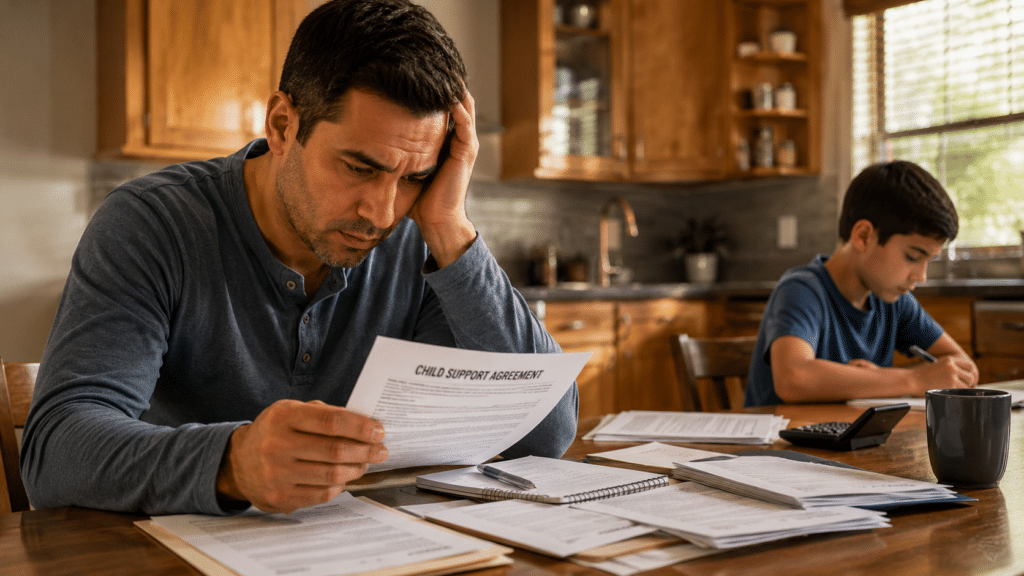
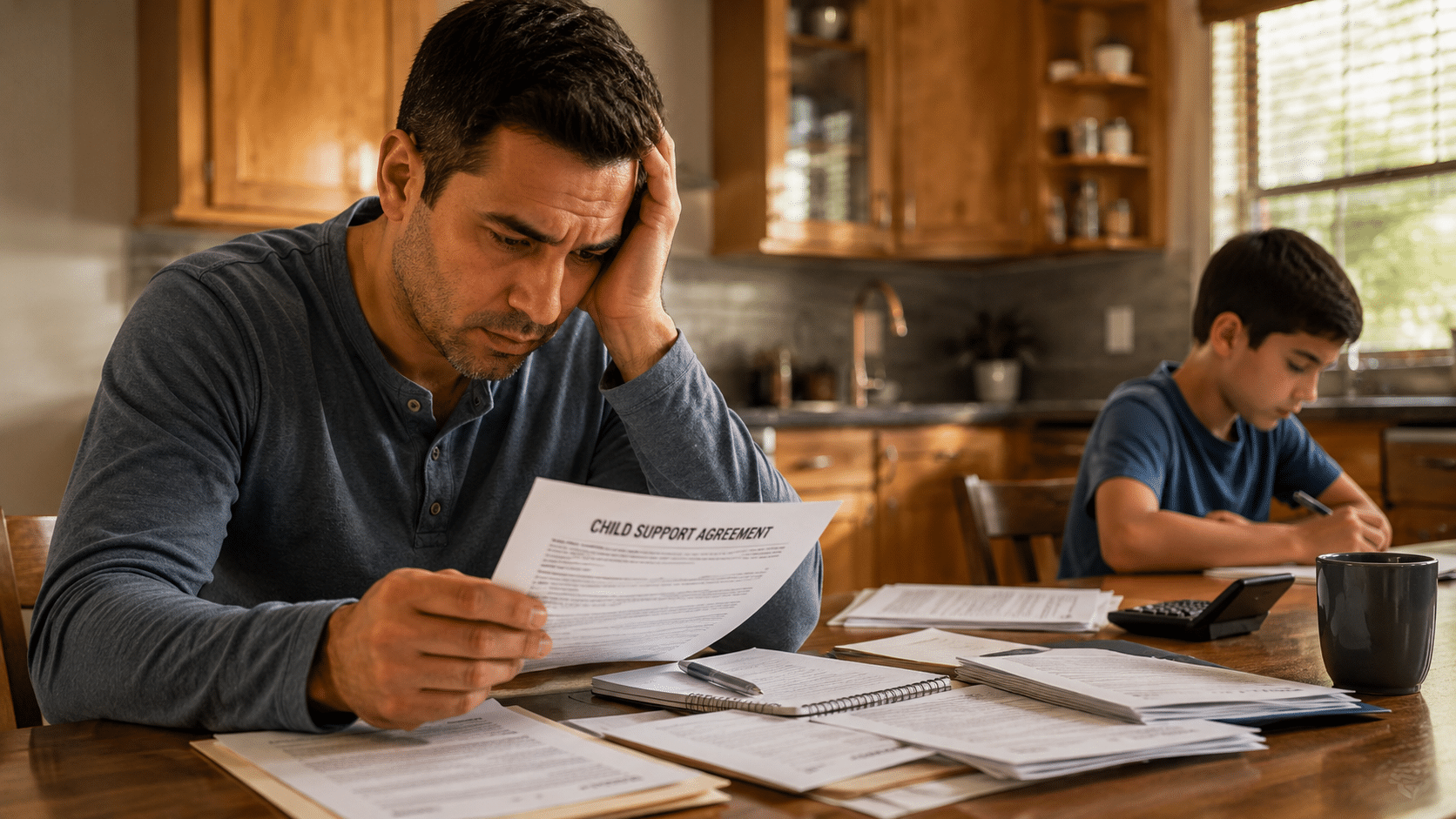
Child support issues are already emotionally exhausting. You’re worried about your kids, your finances, and your future — all at the same time. And then someone tells you that you need a lawyer to navigate the system properly. Great. Because a lawyer is exactly what you can afford right now, right?
Here’s the thing though — you might not have to pay a dime.
There are real, legitimate ways to get free or low-cost child support legal help if you’re on a tight budget. And no, I’m not talking about shady loopholes or those sketchy ads you see at 2 a.m. I’m talking about actual programs built specifically for people in your situation.
Let’s break it all down.
🔍 First: Why You Probably Do Need a Lawyer for Child Support
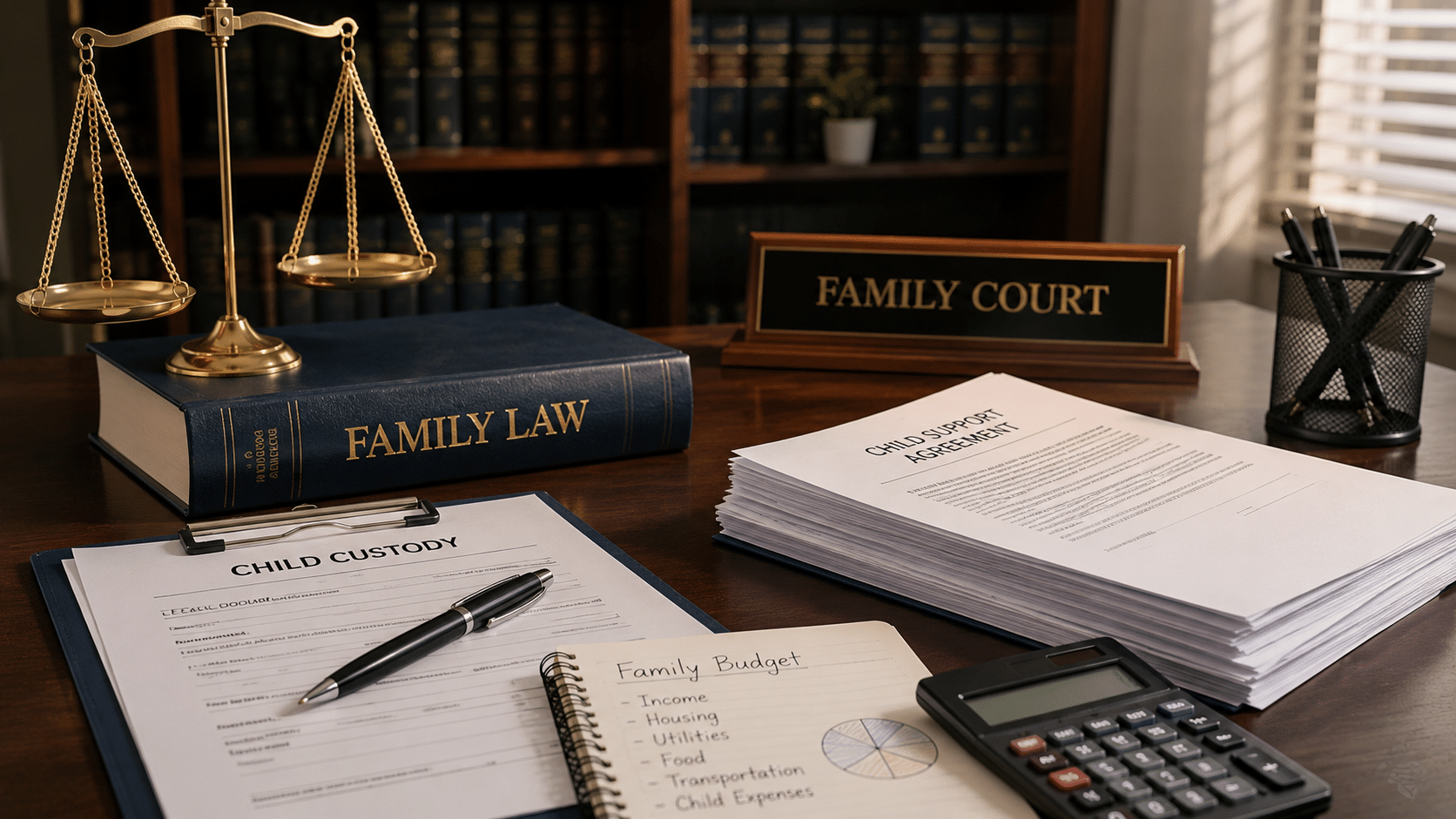
Before we get to the “how to get one for free” part, let’s quickly talk about why this even matters.
Child support isn’t just about writing a check every month. It involves:
- Calculating the right amount based on income, custody arrangements, and state guidelines
- Filing the correct paperwork (mess this up and it could cost you months)
- Modifying existing orders when life changes — job loss, new baby, relocation
- Enforcing payments when the other parent simply… doesn’t pay
- Protecting your parental rights if things get contentious
Going into this without legal guidance is like doing your own root canal. Technically possible. Almost always a terrible idea.
9 Ways to Get a Free Child Support Lawyer If You’re Low Income
1. Apply for Legal Aid
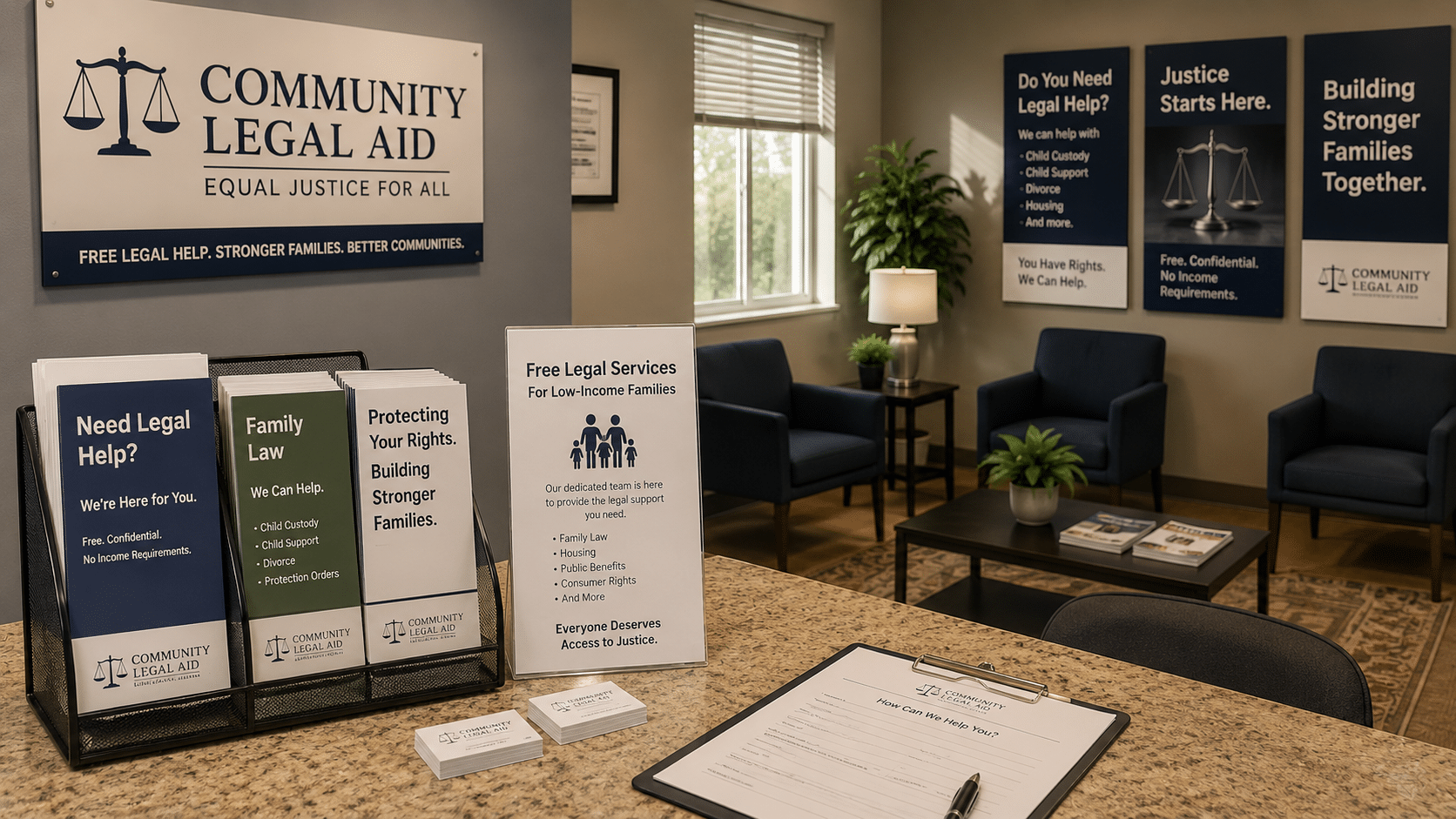
This is your first stop. Legal Aid organizations are nonprofit groups that provide free civil legal services to people who can’t afford an attorney. Every state has one (or several), and family law — including child support — is almost always covered.
To qualify, you typically need to meet income guidelines (usually 125–200% of the federal poverty level). Eligibility varies by location, so check with your local Legal Aid office directly.
Pro tip: Don’t assume you won’t qualify. Call and ask. Many people are surprised to find they’re eligible.
How to find them: Visit lawhelp.org or search “legal aid [your state]” to find your nearest office.
2. Contact Your State’s Child Support Enforcement Agency (CSEA)
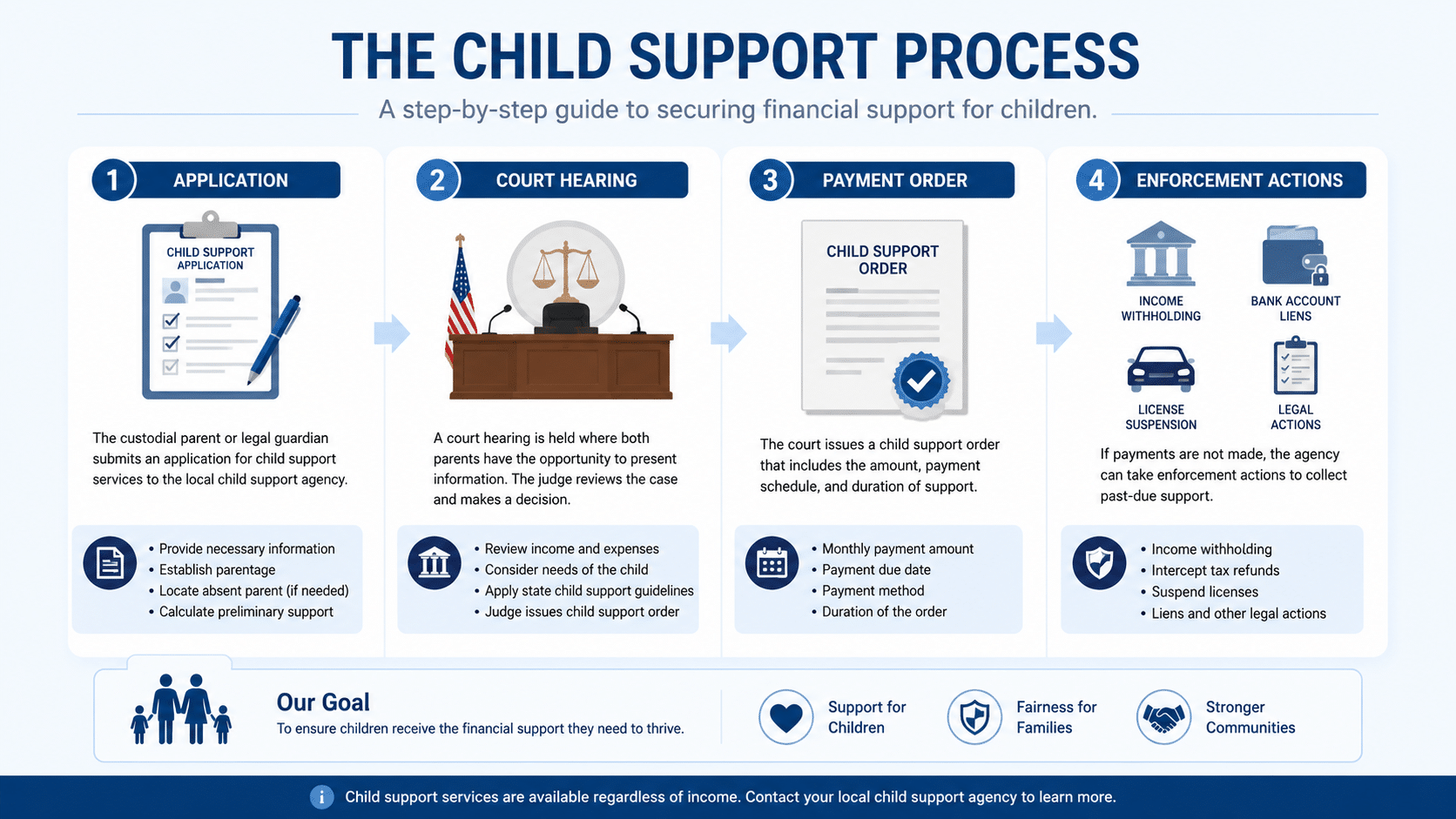
Here’s one a lot of people don’t know about: every state has a Child Support Enforcement Agency, and it’s literally their job to help establish, modify, and enforce child support orders — for free.
If you’re the custodial parent trying to get child support from an absent parent, the CSEA can:
- Locate the non-custodial parent
- Establish paternity if needed
- File for a support order
- Collect and distribute payments
- Take enforcement action (wage garnishment, license suspension, etc.)
You don’t need a private lawyer for this. The state does the heavy lifting.
3. Look Into Pro Bono Legal Services
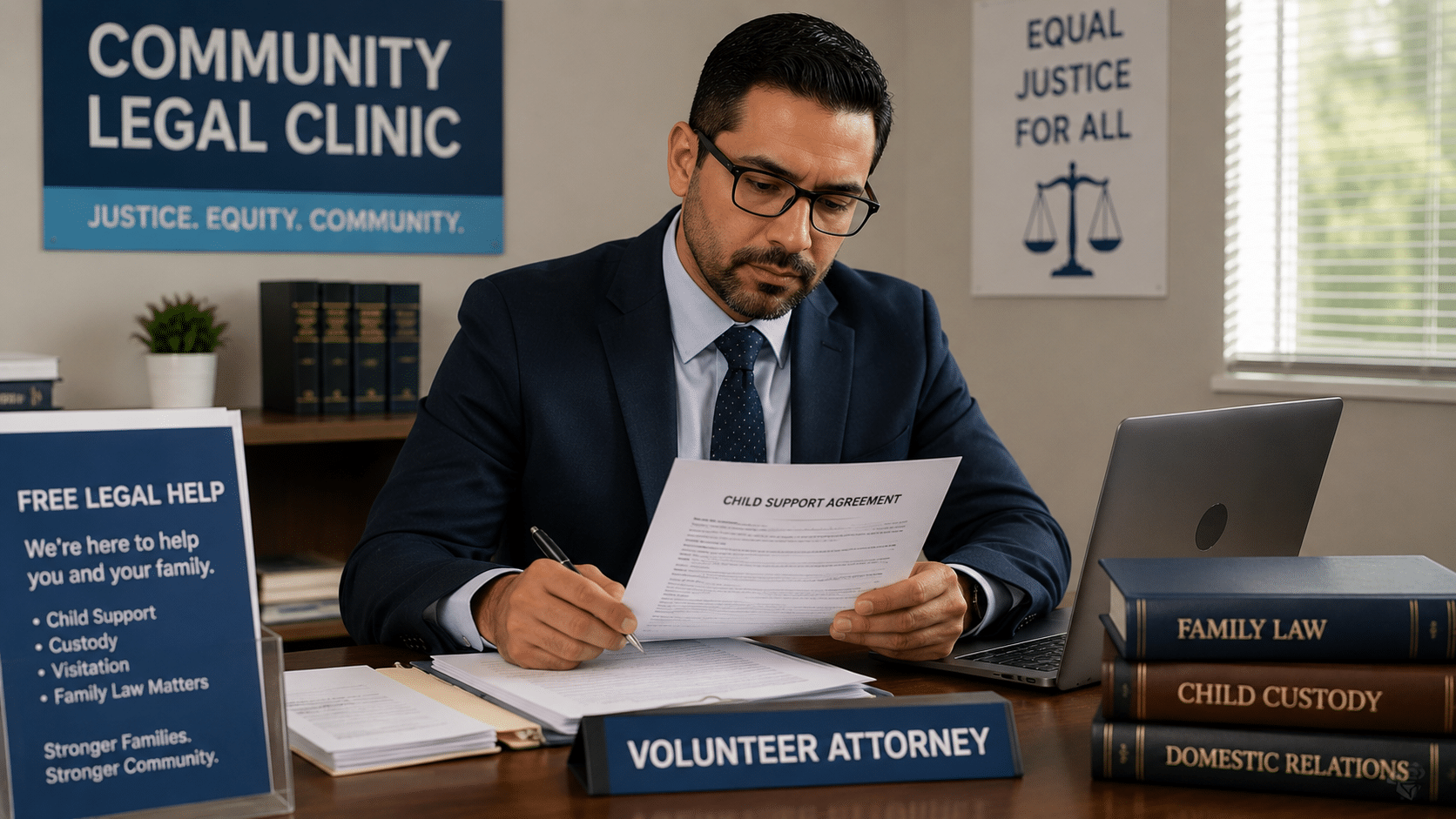
“Pro bono” is Latin for “for the public good” — and in practice, it means free legal work done by private attorneys.
Many bar associations require lawyers to complete a certain number of pro bono hours per year. Family law attorneys often take on child support cases at no charge for qualifying clients.
Here’s where to find pro bono help:
- Your state or local bar association — most have a pro bono referral program
- probono.net — a national hub for free legal help
- Law school clinics — students supervised by licensed attorneys handle real cases for free
4. Law School Clinics

Speaking of law school clinics — these deserve their own section because they’re underrated.
Top law schools across the country run family law clinics where third-year students handle actual cases under the supervision of experienced professors and licensed attorneys. The legal work is legitimate, the advice is real, and the price? Zero.
Search for “[your city] law school family law clinic” to see what’s near you. Universities like Harvard, Georgetown, and many state law schools run active programs.
5. Courthouse Self-Help Centers
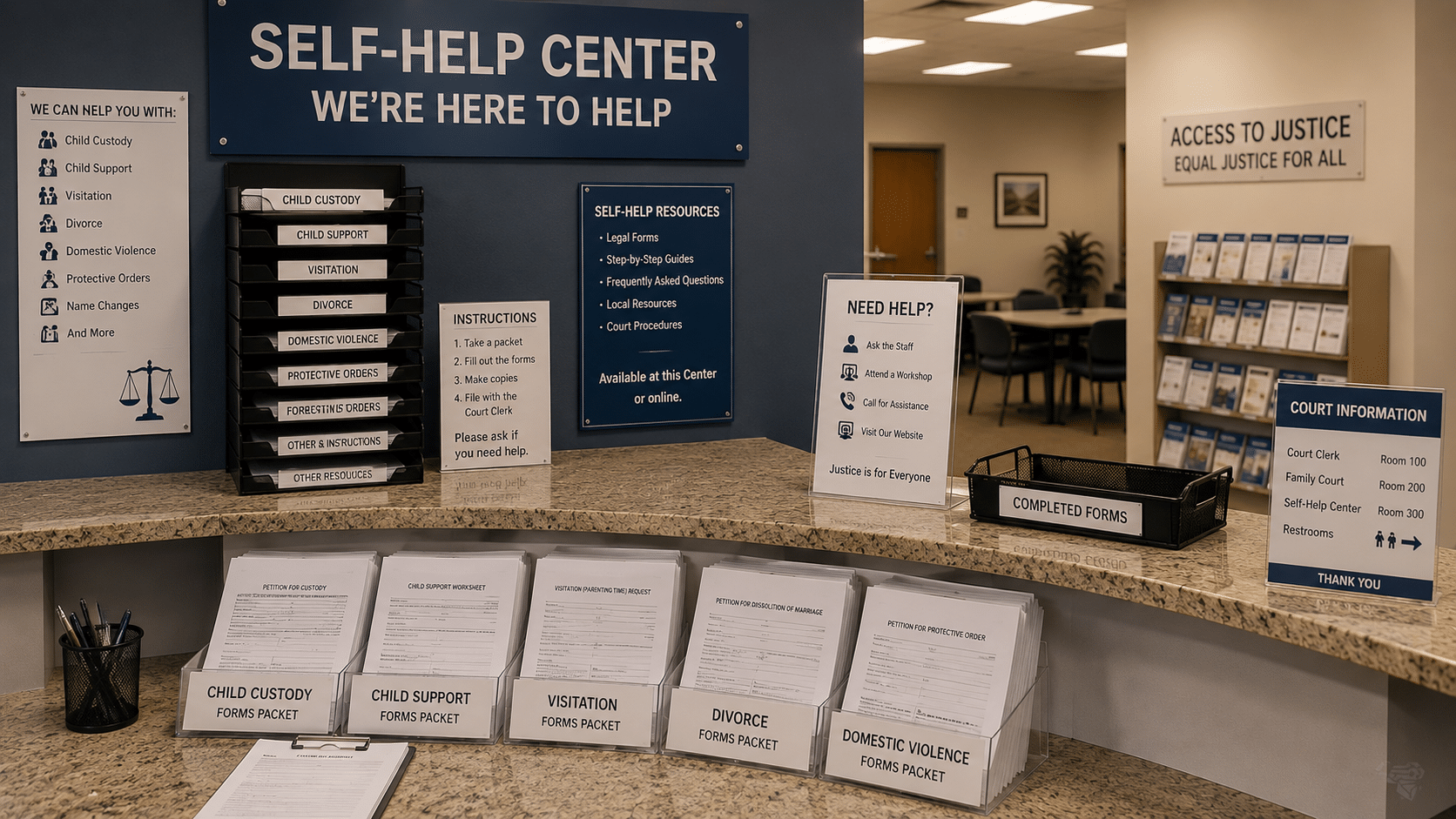
Many courthouses — especially in family court — have free self-help centers staffed by legal professionals who can:
- Help you understand court forms
- Explain the process step-by-step
- Review your paperwork before you file
- Point you to additional resources
They can’t technically represent you, but the guidance they offer is invaluable — especially if your case is relatively straightforward.
Call your local family court and ask if they have a self-help or family law facilitator program.
6. Sliding Scale Fee Attorneys
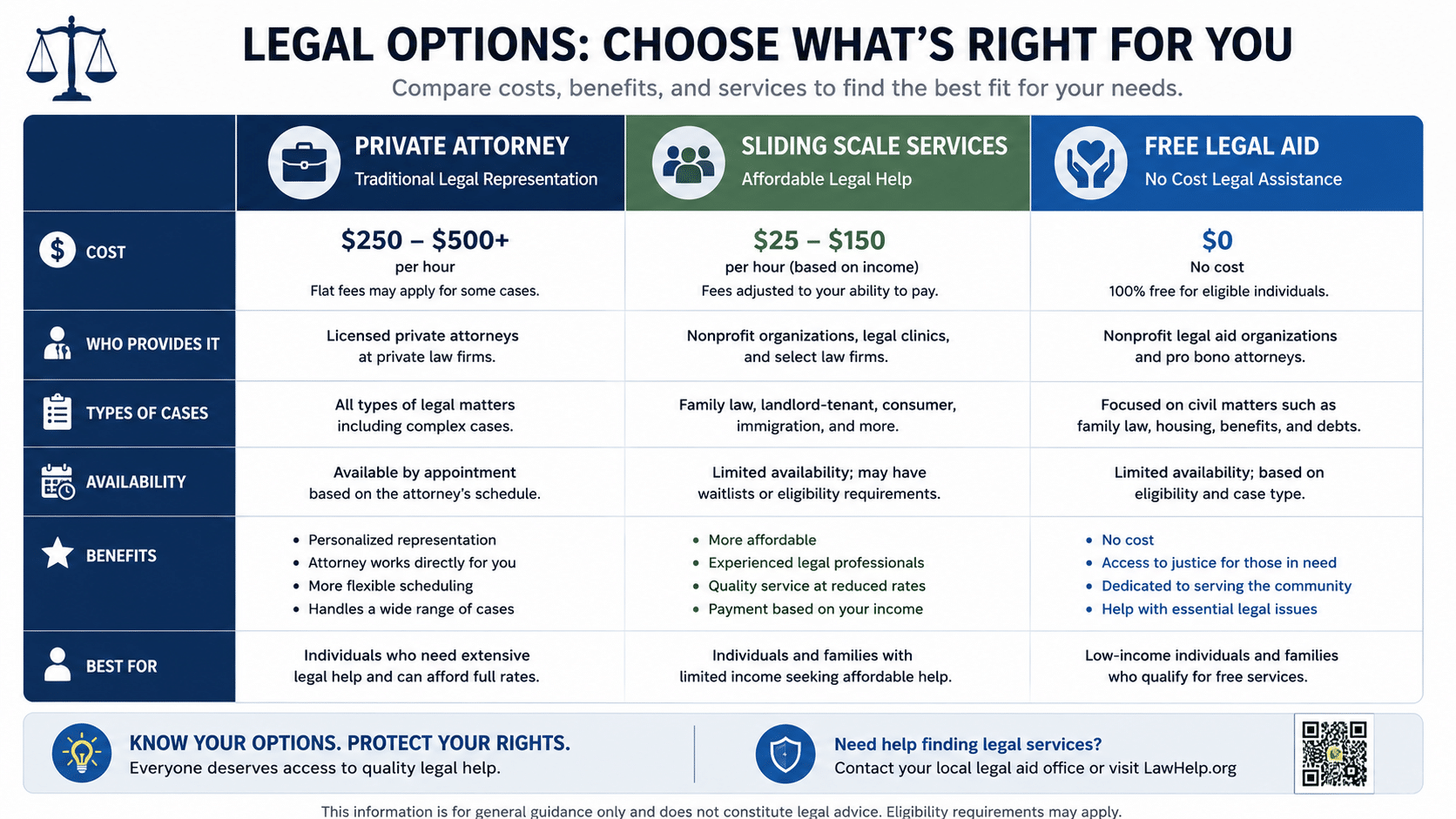
Not quite free, but close. Sliding scale fee attorneys adjust their rates based on your income. Some charge as little as $25–$50 per hour for low-income clients, compared to the standard $200–$400/hour.
To find them:
- Ask your local bar association for a referral
- Search lawhelp.org for attorneys in your area who offer reduced rates
- Some nonprofit family law organizations operate on a sliding scale model
7. Domestic Violence Organizations (If Applicable)
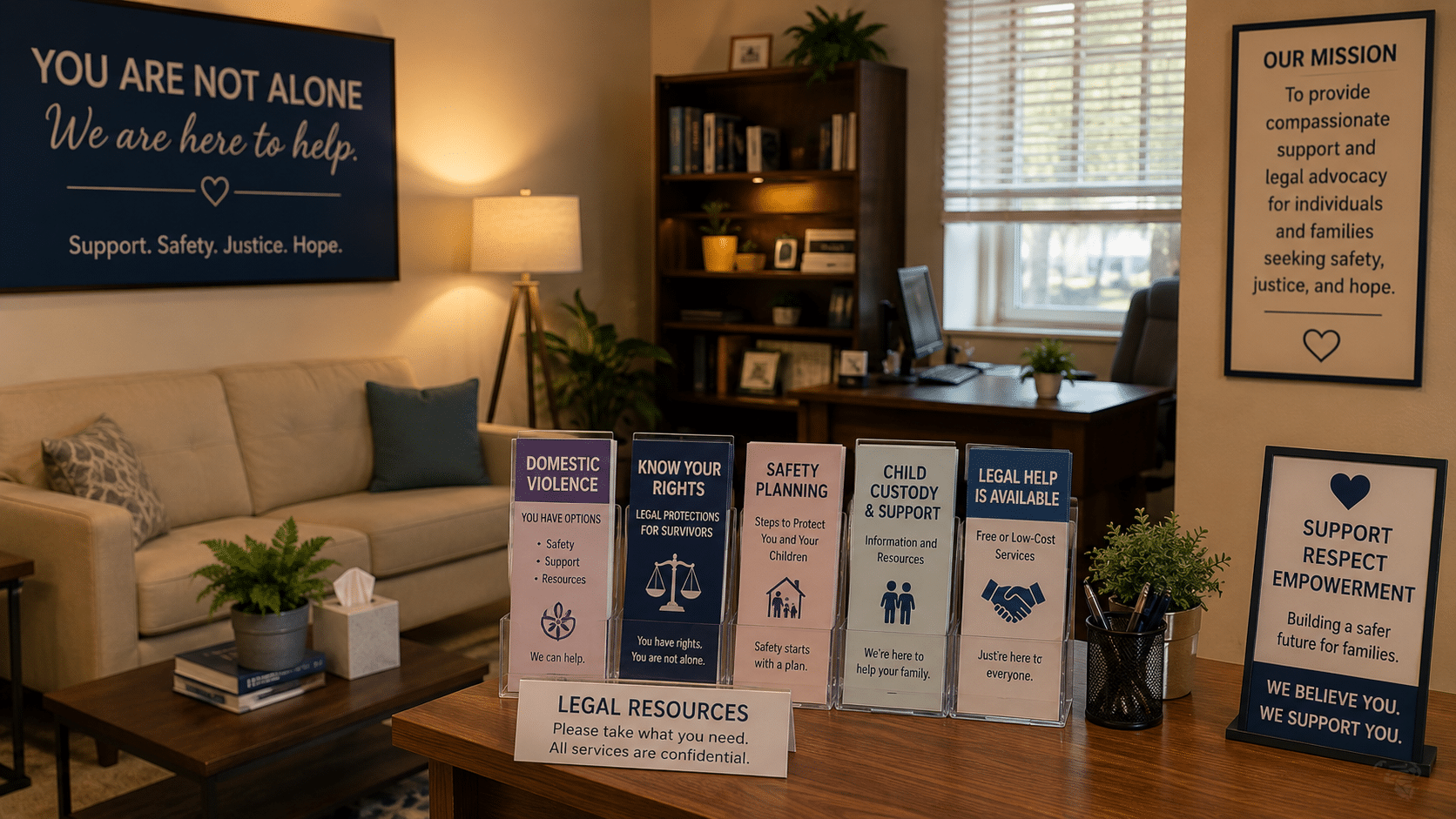
If your child support situation involves domestic violence, abuse, or coercive control, there are dedicated organizations that provide free legal services regardless of income.
Groups like the National Domestic Violence Hotline (1-800-799-7233) can connect you with legal advocates who specialize in family law cases involving abuse. This includes help with child support orders, protective orders, and custody matters.
You should never have to navigate the legal system alone when safety is on the line.
8. Online Legal Aid Platforms
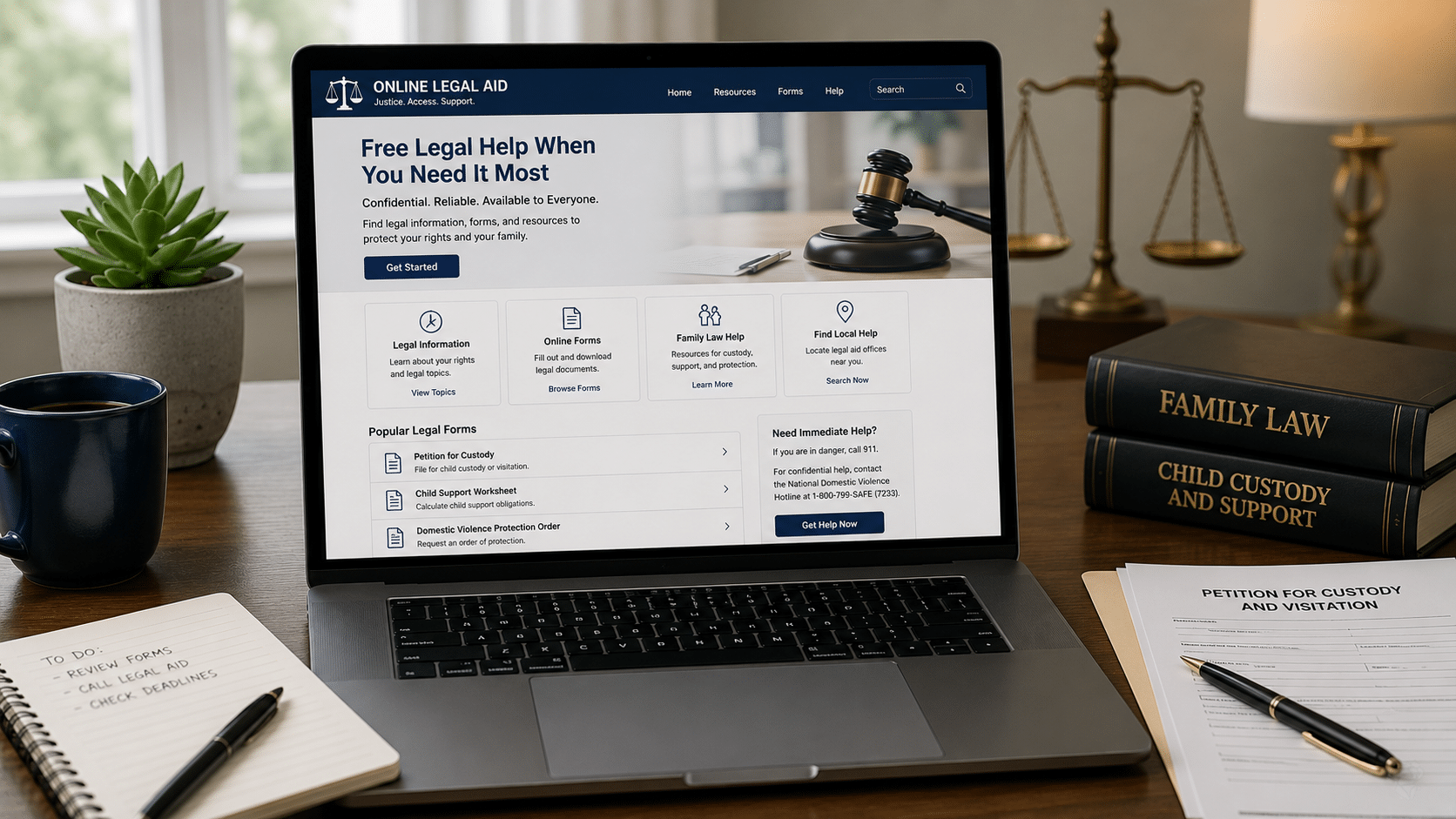
A newer option: several free and low-cost online legal platforms have emerged that can help with child support matters, including:
| Platform | What They Offer | Cost |
|---|---|---|
| LawHelp Interactive | Free legal forms by state | Free |
| Upsolve | Free legal help (primarily bankruptcy, expanding) | Free |
| JustAnswer | Chat with attorneys | Low cost |
| LAWCLERK | Connects you with attorneys | Varies |
These won’t replace full legal representation, but they can help you understand your rights, complete forms correctly, and prepare for hearings.
9. State-Specific Programs and Resources
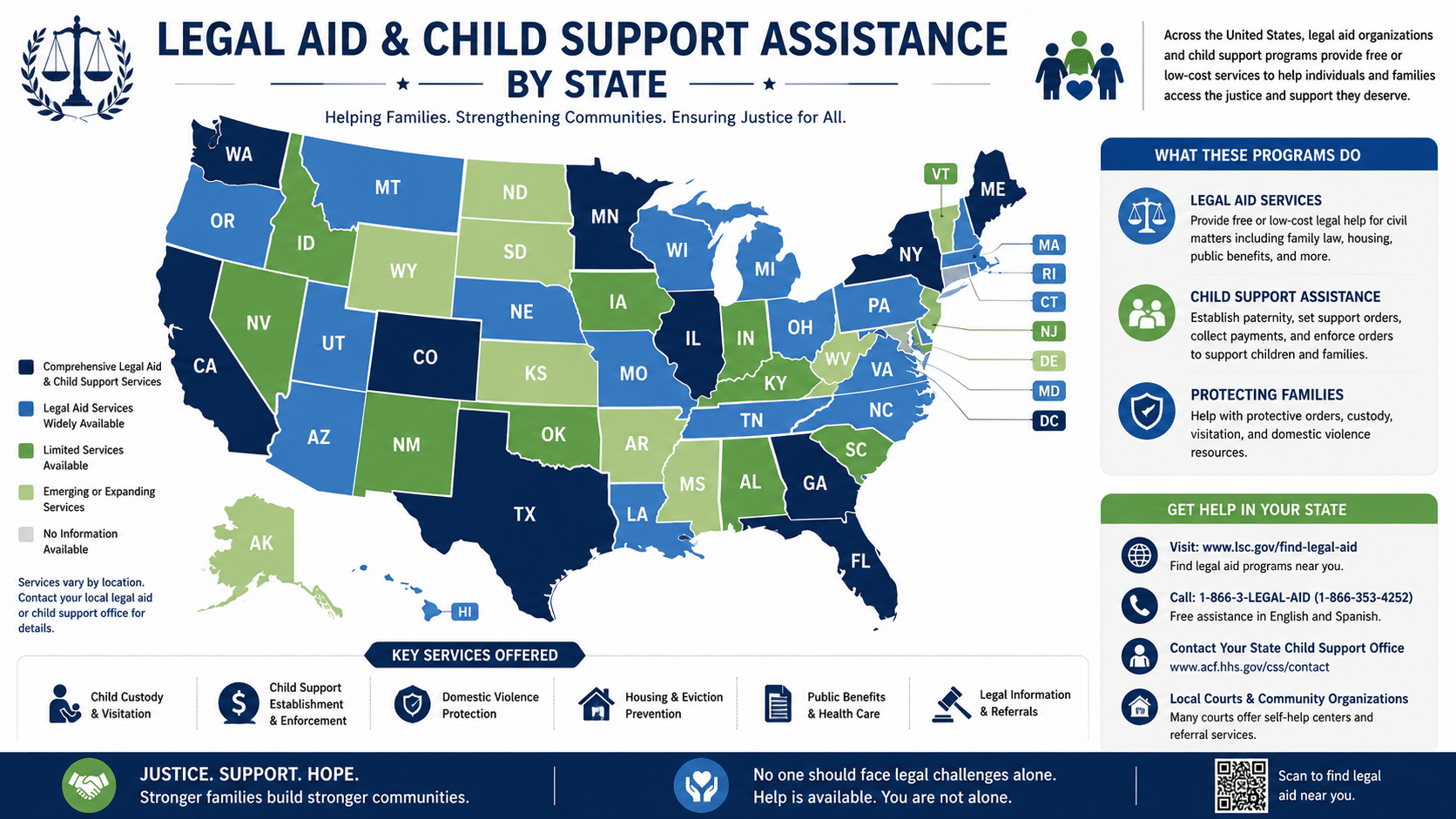
Some states have their own unique programs worth knowing about:
- California: Family Law Facilitator offices in every county
- Texas: Texas Legal Services Center and Texas Law Help
- Florida: Florida Rural Legal Services and Bay Area Legal Services
- New York: NYC Family Court has a dedicated legal hand program
A quick Google search for “free child support help [your state]” will surface what’s available where you live. State resources vary widely, so it’s always worth checking locally.
📋 What Information Should You Gather Before Reaching Out?
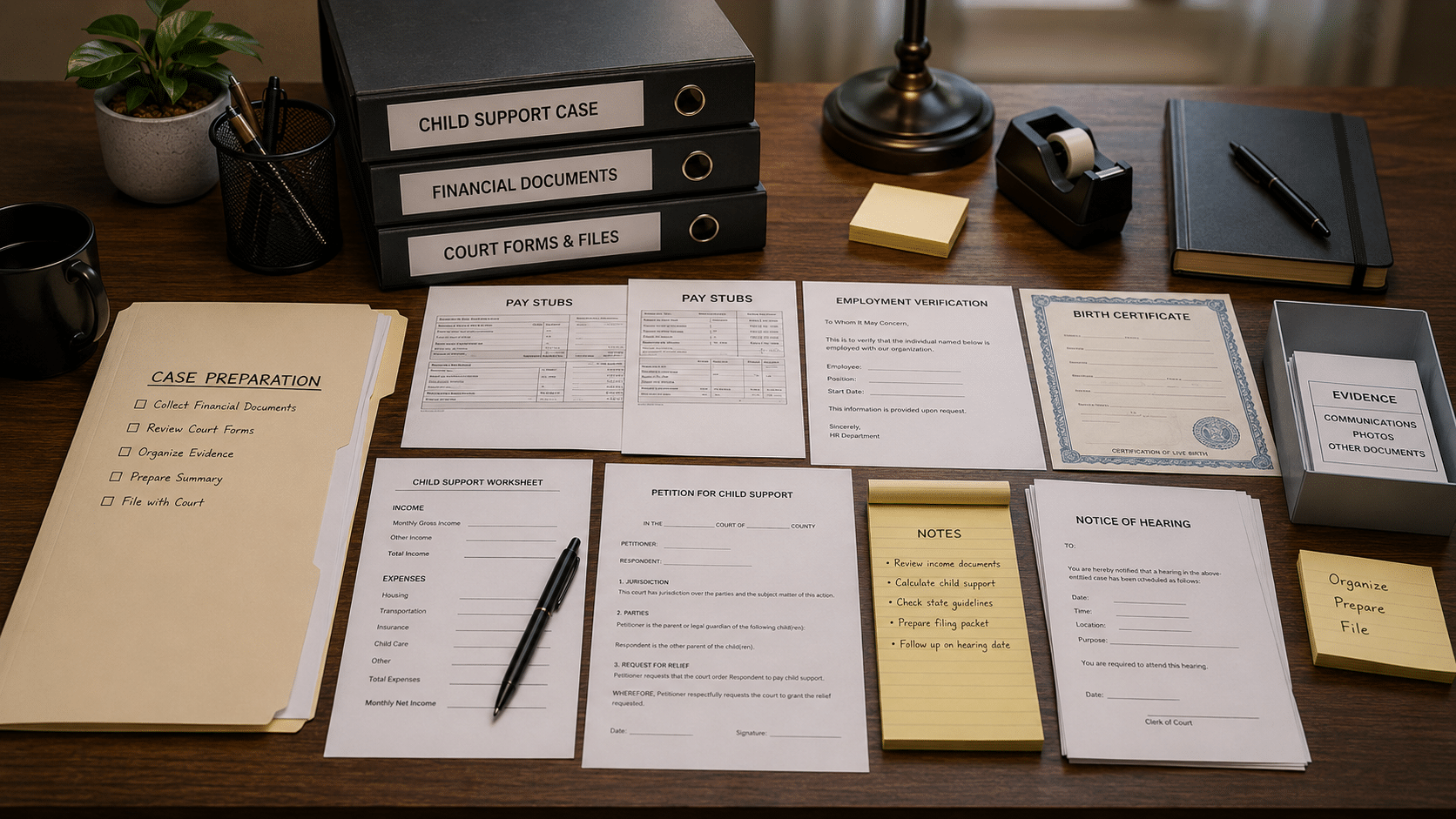
Whether you’re applying for legal aid or meeting with a pro bono attorney, come prepared. Having the right documents ready speeds everything up dramatically.
Bring or have access to:
- ✅ Your income documentation (pay stubs, tax returns, benefit letters)
- ✅ The other parent’s information (name, address, employer if known)
- ✅ Any existing court orders related to custody or child support
- ✅ Birth certificates for your children
- ✅ Records of any payments already made or missed
- ✅ A brief written summary of your situation
Being organized shows you’re serious — and it helps the attorney help you faster.
❓ Frequently Asked Questions
What if I make too much for legal aid but can’t afford a private attorney?
You’re in what’s sometimes called the “justice gap.” In this case, try sliding scale attorneys, law school clinics, or courthouse self-help centers. A limited scope representation attorney (who handles only specific parts of your case) is another cost-effective option.
Can I represent myself in child support court?
Yes — this is called going “pro se.” It’s not ideal, but it is legal. Courthouse self-help centers and online legal forms can assist. If your case is contested or complex, it’s worth every effort to find legal representation.
Does it matter if I’m the custodial or non-custodial parent?
Both parents can access most of these resources. Legal aid and pro bono programs help both sides of the case, though state enforcement agencies primarily assist custodial parents seeking payment.
Will my immigration status affect my ability to get help?
Many legal aid organizations serve clients regardless of immigration status. It’s worth calling and asking directly — many programs are specifically designed to help immigrant families.
The Bottom Line
Here’s what I want you to walk away knowing: being low income does not mean you’re on your own.
The legal system can feel like it was built for people with money. And honestly? A lot of it was. But there are cracks in that wall — real programs, real people, real attorneys who have committed to helping families like yours navigate this without breaking the bank.
Child support isn’t just paperwork. It’s your kids’ stability. It’s their school clothes, their lunches, their future. And you deserve proper legal help to protect that.
So start with your state’s child support enforcement agency. Call your local legal aid office. Ask about pro bono. Walk into that courthouse self-help center.
You have more options than you think — you just have to know where to look.
🔖 Quick Reference: Free Child Support Legal Help Resources

| Resource | Best For | How to Access |
|---|---|---|
| Legal Aid | Full representation, low income | lawhelp.org |
| State CSEA | Establishing/enforcing orders | Your state’s CSEA website |
| Pro Bono Attorneys | Free private legal help | State bar association |
| Law School Clinics | Free supervised legal help | Search local law schools |
| Courthouse Self-Help | Forms help, general guidance | Call your local family court |
| Sliding Scale Attorneys | Reduced-fee representation | lawhelp.org or bar referral |
| DV Organizations | Abuse-related cases | 1-800-799-7233 |
Found this helpful? Share it with someone who needs it — because information like this shouldn’t be hard to find.
